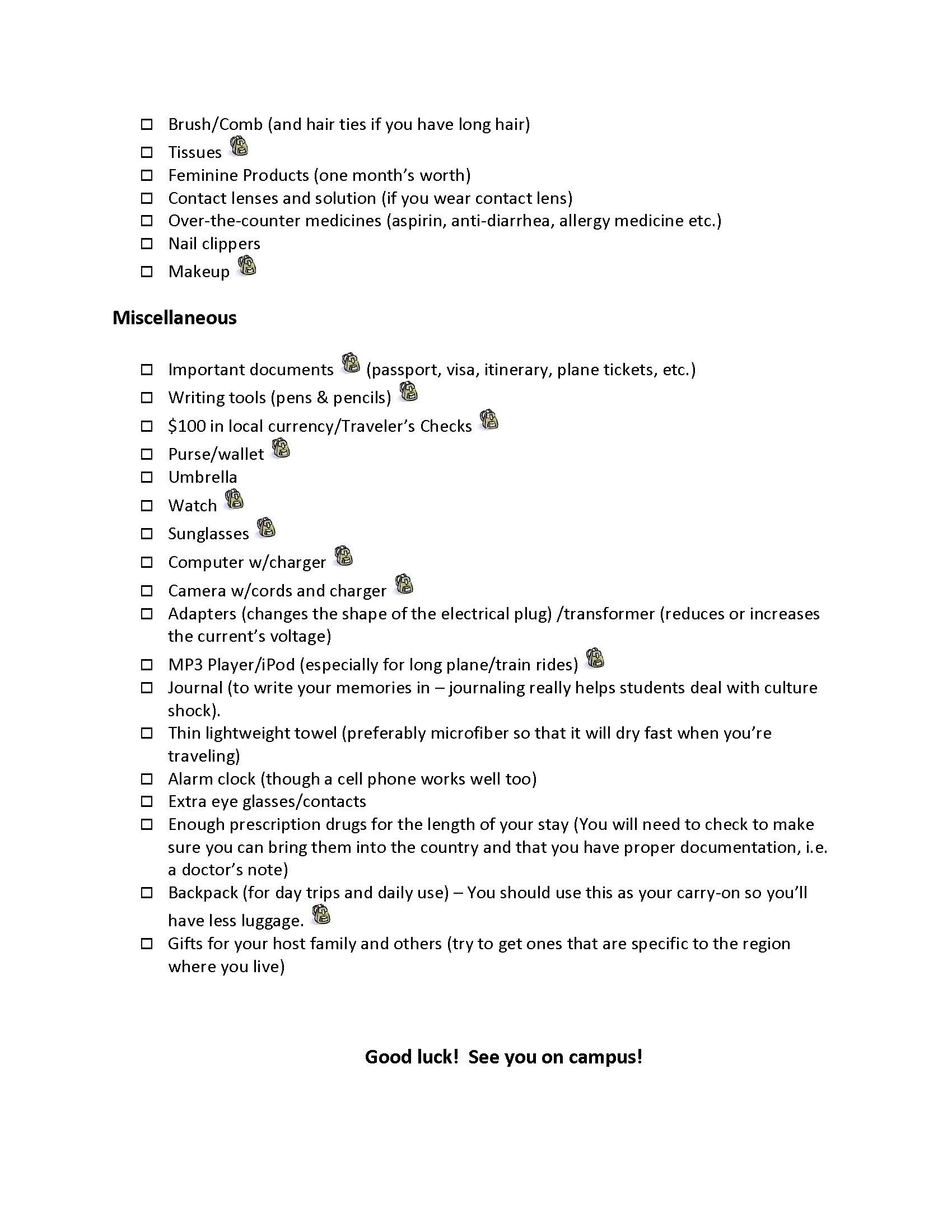
Basic Packing List for Coming to Shoreline!
December 18, 2013

Here is the video to show yo what to bring to study in Shoreline:
Mari Kosin
Director of International Student Services
Here is the video to show yo what to bring to study in Shoreline:
Mari Kosin
Director of International Student Services
Cassie Kwon
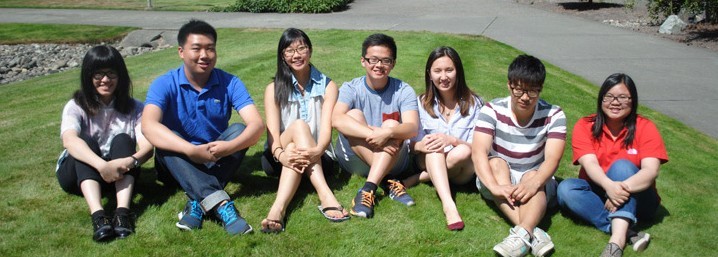






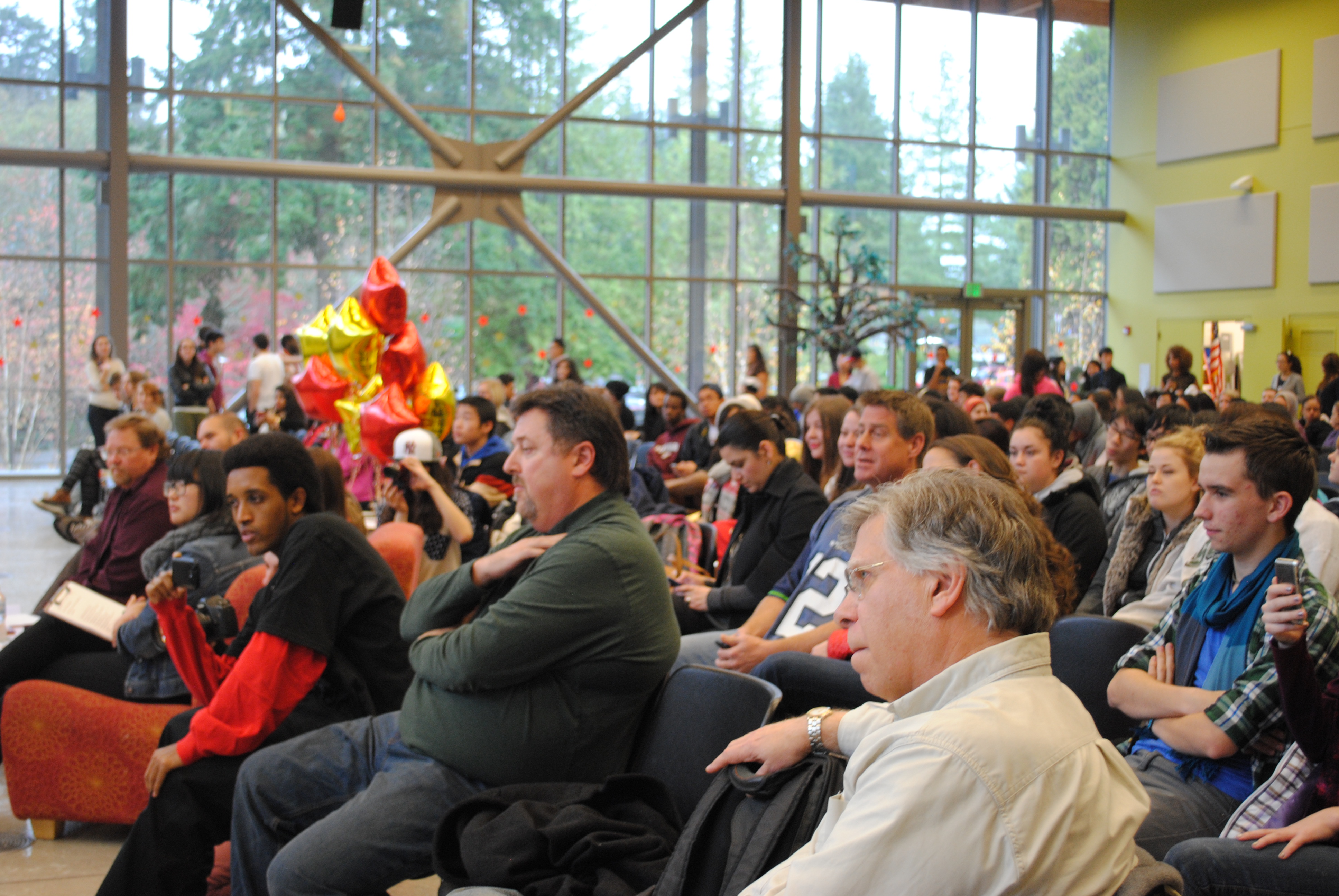

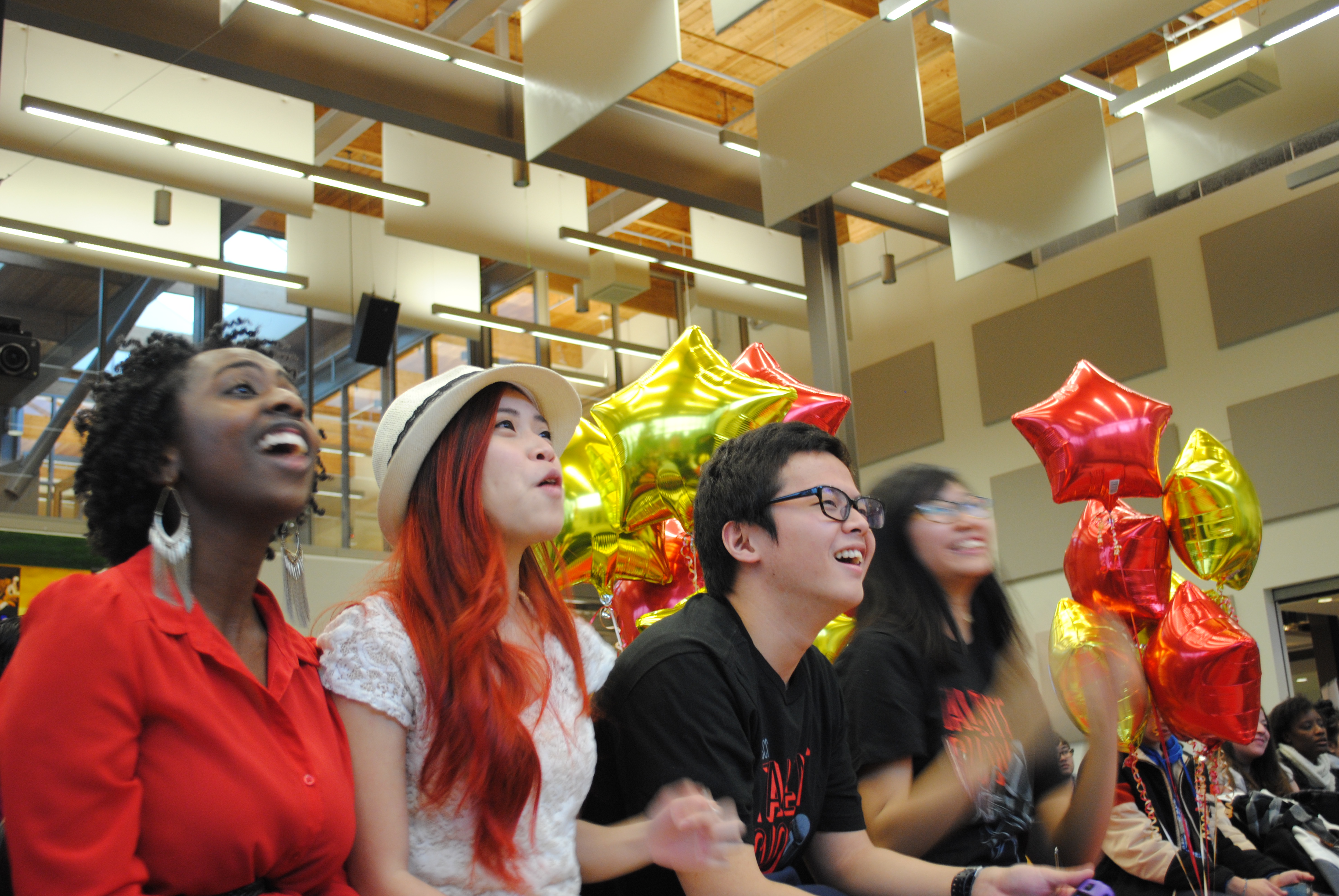


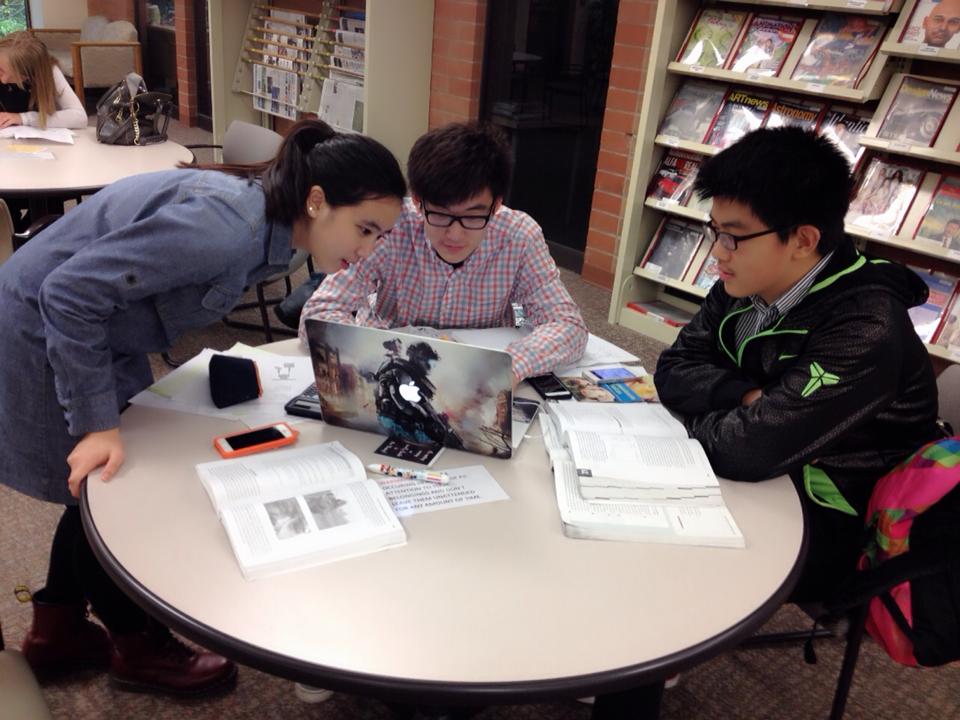


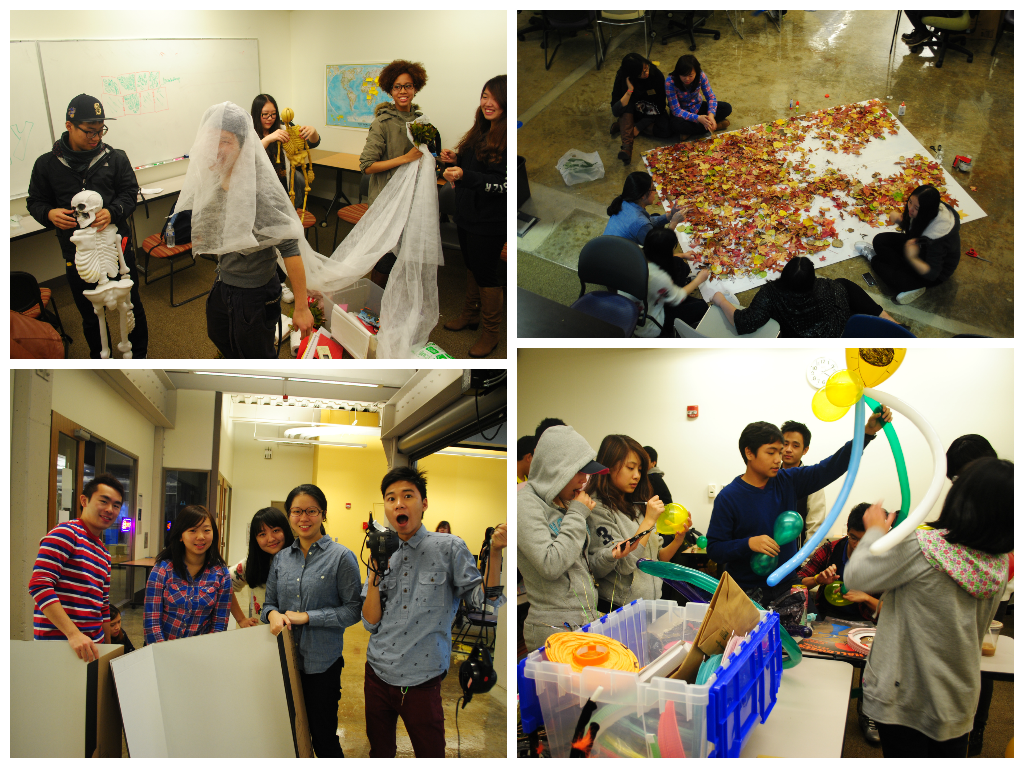
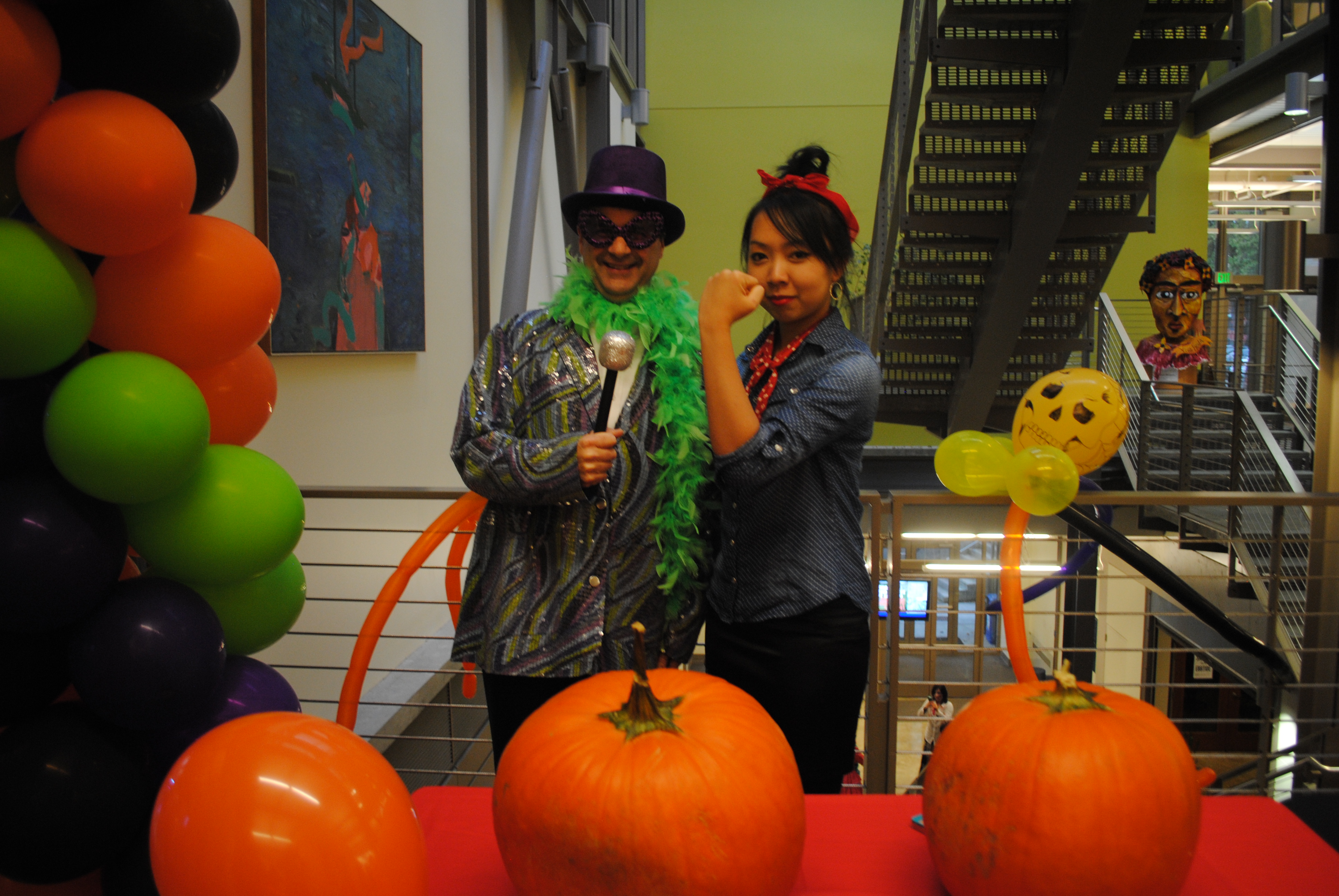
Halloween, on October 31st is an important cultural holiday in the USA. On this holiday, people dress up by wearing a costume and at night children knock on people’s houses for candy by saying, “Trick or Treat!” 344 Shoreline Community College students celebrated the holiday together at the Halloween Festival, an event hosted by International Peer Mentors, Arts & Entertainment Board, Asian Student Association and Hong Kong Student Association. The festival consisted of various activities, including traditional Halloween games and dance.
The International Peer Mentors, more commonly referred to as IPM, hosted several events, such as the Donut Eating Activity, Pumpkin Carving Contest and Costume Contest, all traditional Halloween games. In addition, the IPM recruited international students to volunteer and assist in leading these various games. Like the IPM Facebook Page to learn about future events and volunteer opportunities.
Written by Cassie Kwon
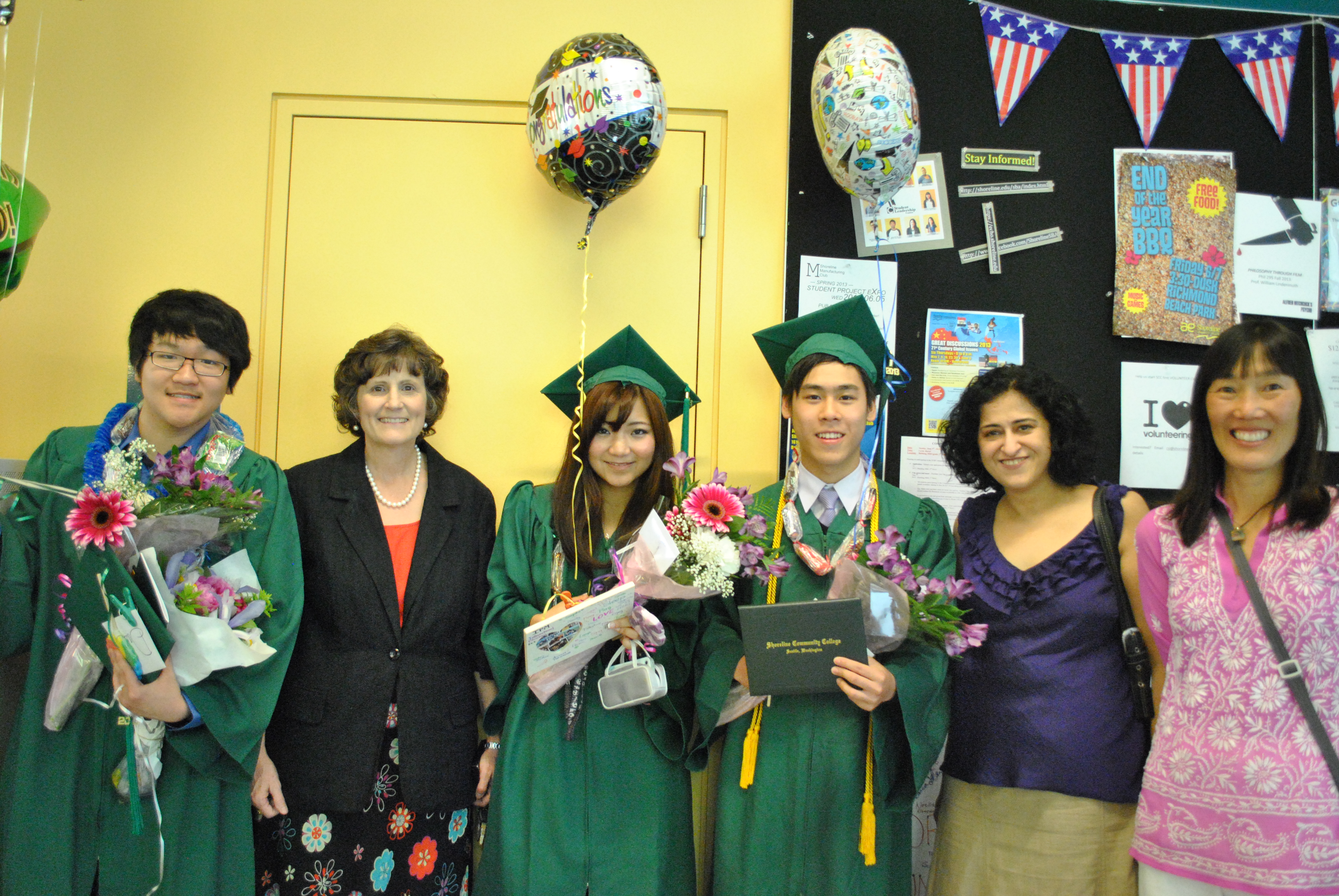
Congratulations to the Shoreline students who graduated last month!! June is always an exciting month at Shoreline because of graduation. Many families fly to Seattle to come to the graduation ceremony. After the ceremony, SCC has a reception for students and their families and friends. Some of the schools international students are transferring to this year include:
– UCLA
– University of Washington
– Seattle University
– UC Davis
– UC San Diego
– University of Southern California (USC)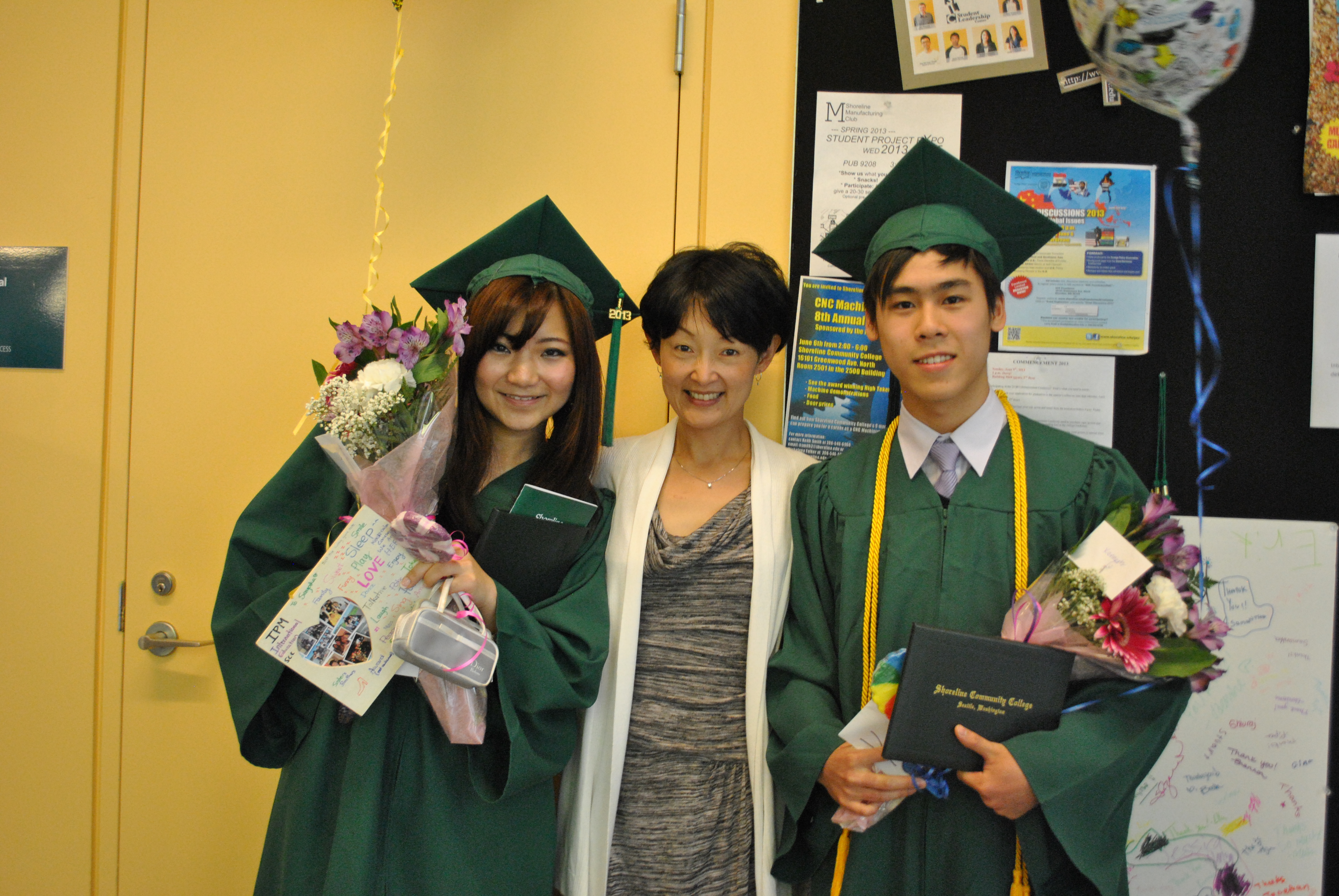
– Indiana University
Congratulations on being accepted to Shoreline Community College! NOW you will need to receive an F-1 (Student) Visa to come to the U.S.
DOCUMENTS NEEDED TO APPLY FOR A STUDENT VISA:
We recommend that you go to your local US consulate or embassy’s website for specific requirements and procedures for visa applications at that consulate. You can find a list of US consulates and embassies worldwide at: http://www.usembassy.gov/.
In general, these are the documents needed to apply for a Student Visa:
You should also be prepared to provide:
In order to prepare for your interview, here are some important things that the consular official will be looking for:(Information provided by NAFSA: Association of International Educators)
1. TIES TO YOUR HOME COUNTRY. Under U.S. law, all applicants for nonimmigrant visas, such as student visas, are viewed as intending immigrants until they can convince the consular officer that they are not. You must therefore be able to show that you have reasons for returning to your home country that are stronger than those for remaining in the United States. “Ties” to your home country are the things that bind you to your home town, homeland, or current place of residence: job, family, financial prospects that you own or will inherit, investments, etc. If you are a prospective undergraduate, the interviewing officer may ask about your specific intentions or promise of future employment, family or other relationships, educational objectives, grades, long-range plans and career prospects in your home country. Each person’s situation is different, of course, and there is no magic explanation or single document, certificate, or letter, which can guarantee visa issuance.
2. ENGLISH. Anticipate that the interview will be conducted in English and not in your native language. One suggestion is to practice English conversation with a native speaker before the interview, but do NOT prepare speeches! If you are coming to the United States solely to study intensive English, be prepared to explain how English will be useful for you in your home country.
3. SPEAK FOR YOURSELF. Do not bring parents or family members with you to the interview. The consular officer wants to interview you, not your family. A negative impression is created if you are not prepared to speak on your own behalf.
4. KNOW THE PROGRAM AND HOW IT FITS YOUR CAREER PLANS. If you are not able to articulate the reasons you will study in a particular program in the United States, you may not succeed in convincing the consular officer that you are indeed planning to study, rather than to immigrate. If you plan on doing a Bachelor’s degree in the U.S., you can tell the consular official that many Shoreline Community College students have been successful in transferring to four-year universities after completing their Associate’s degree at Shoreline. Studying at Shoreline for your first two years provides you many advantages, including smaller classes and more individualized attention from instructors, supportive environment for international students, and more affordable tuition
5. BE BRIEF. Because of the volume of applications received, all consular officers are under considerable time pressure to conduct a quick and efficient interview. They must make a decision, for the most part, on the impressions they form during the first minute of the interview. Consequently, what you say first and the initial impression you create are critical to your success. Keep your answers to the officer’s questions short and to the point.
6. ADDITIONAL DOCUMENTATION. It should be immediately clear to the consular officer what written documents you are presenting and what they signify. Lengthy written explanations cannot be quickly read or evaluated. Remember that you will have 2-3 minutes of interview time, if you’re lucky.
7. NOT ALL COUNTRIES ARE EQUAL. Applicants from countries suffering economic problems or from countries where many students have remained in the US as immigrants will have more difficulty getting visas. Statistically, applicants from those countries are more likely to be intending immigrants. They are also more likely to be asked about job opportunities at home after their study in the U.S.
8. EMPLOYMENT. Your main purpose in coming to the United States should be to study, not for the chance to work before or after graduation. While many students do work on and off-campus during their studies, such employment is incidental to their main purpose of completing their U.S. education. You must be able to clearly articulate your plan to return home at the end of your program.
9. MAINTAIN A POSITIVE ATTITUDE. Do not engage the consular officer in an argument. If you are denied a student visa, ask the officer for a list of documents he or she would suggest you bring in order to overcome the refusal, and try to get the reason you were denied in writing.